
English is happy with one word for “brother.” Japanese is not. The first word you pick already says older or younger, how close you are, and whether you are talking to someone or about them. Onii-chan is not just a cute way to say bro — it is a stance.
Anime piles a lot of that energy onto the younger sister who never stops calling her brother onii-chan. Real families use the same roots with a stricter formality ladder, and the rest of the household lives in our guide to family members in Japanese.
Contents 9
Older brother — what onii-chan means
Onii-chan is simply the informal, intimate way to say older brother. The kanji 兄 means older brother; the お in お兄 is an honorific prefix, not a second character that also means “brother.” Chan is the childlike, close suffix — the same warmth you hear on names and pets. That is why it feels smaller and sweeter than onii-san, even though both point at an older brother.
The everyday polite form is onii-san, which is why that version shows up so often. You can also stick the word after a name as an honorific, the way some people say Kevin-oniichan. The same address works for an older brother by blood and, often, for someone you treat as one.
When you talk about your own older brother to other people, Japanese usually switches to ani [兄]. Onii-san and onii-chan are what you call him to his face, or what you use for someone else’s older brother. The split is the same family rule as haha versus okaasan. The suffix is doing a lot of the work here; the full map of san, chan, kun, sama and the rest sits in a separate piece.
Oniichan or onii-chan, which is correct?
There is no single correct romanization. The hyphen is just a way to split the word “brother” from the suffix chan or san. What you should not do is drop a vowel and write onichan: that reading slides toward the demon, ogre, or monster oni [鬼].
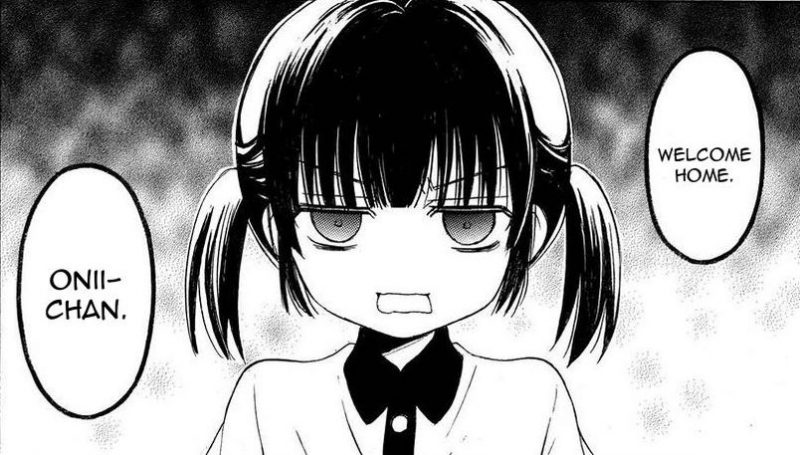
Older sister — what onee-chan means
Onee-chan is the informal, intimate way to say older sister. The writing お姉 uses 姉, older sister, plus the same honorific お. Chan again makes it close and diminutive — a “big sis” said with affection, not a stiff title.
Onee-san is the more everyday, polite form — not the informal one. In a lot of families, especially when there is more distance or a boy talking upward, onee-san shows up more than onee-chan. The same pair works for a real sister and for a slightly older girl you treat with that kind of respect.
What does ane mean?
Ane [姉] is the word you use when you talk about your own older sister to other people. A more formal, slightly old-fashioned form is aneue [姉上]. The brother-side twins of those words are ani and aniue.
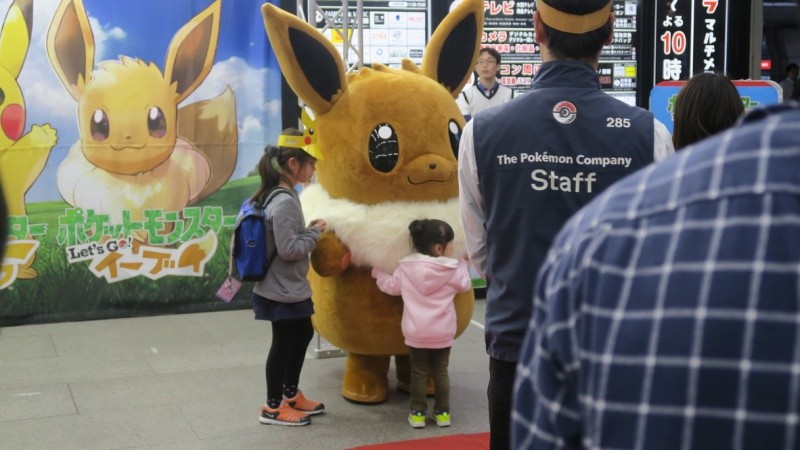
The different ways to say older brother in Japanese
Japanese has a hierarchy of address: very formal, everyday, and intimate. That is one of the main reasons there are so many ways to say older brother and older sister. The list below keeps both sides on the same ladder:
Every row below still refers to an older sibling:
| Description | Older brother | Older sister |
| Keigo — too formal, almost sovereign | onii-sama [お兄さま] | onee-sama [お姉さま] |
| Sonkeigo (older siblings, old-fashioned respect) | aniue [兄上] | aneue [姉上] |
| Formal — everyday — common | onii-san [お兄さん] | onee-san [お姉さん] |
| A bit more informal | nii-san [兄さん] | nee-san [姉さん] |
| No respectful suffix, informal | nii [兄] | nee [姉] |
| Informal and diminutive suffix | onii-chan [お兄ちゃん] | onee-chan [お姉ちゃん] |
| Completely informal with diminutive suffix | nii-chan [兄ちゃん] | nee-chan [姉ちゃん] |
| Alternative to nii and nee when talking about them | ani [兄] | ane [姉] |
| Precious, esteemed, honorable | aniki [兄貴] | aneki [姉貴] |

Aniki is the one you hear from yakuza and delinquent crews: a comrade-brother. The kanji 貴 in 兄貴 marks something precious, esteemed, valuable. Aneki [姉貴] is the sister-side version — less common, same rough warmth.
Children also throw onii-san and onee-san at strangers who are only a little older — a clerk, a neighbor, someone who just helped. If the person is a full generation older, the language usually jumps to uncle and aunt words instead. The sibling word is relative to the speaker, not a crown for “the oldest child in the house.”
Imouto and otouto — younger sister and younger brother
To refer to younger siblings, Japanese uses otouto [弟] for a younger brother and imouto [妹] for a younger sister.
These words usually skip a suffix, except when you talk about someone else’s younger sibling: a friend’s little sister is imouto-san.
Unlike onii-san and onee-san, imouto and otouto are not what you normally shout across the room. Japanese people generally call younger siblings by name.
The words are also relative, not a ranking of “the baby of the family.” If three sisters stand in a line, the youngest has two onee-san; the middle one is still imouto to the eldest and onee-san to the youngest. And “little sister” in English is about size — an imouto can be taller than you and still be imouto.
Have you noticed how anime exaggerates this younger-sister setup? The clingy imouto who lives on the word onii-chan is a whole genre. Dictionaries list many rarer ways to say younger sister; everyday speech almost never needs them.
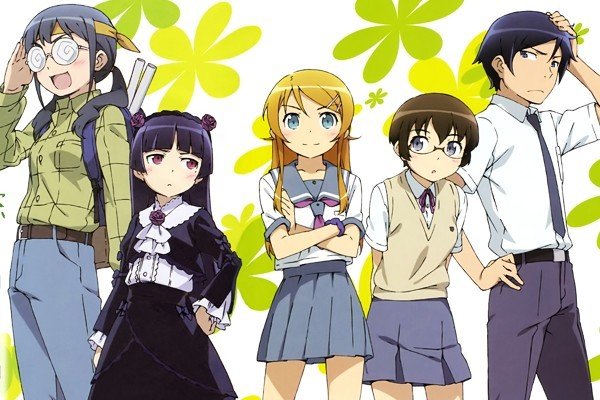
Different ways to say siblings in Japanese
We have already learned the main ways to refer to younger and older siblings. Now the words used when you talk about siblings as a set:
| Japanese | Kana | Romaji | English |
| 兄弟 | きょうだい | kyoudai | Siblings / brothers |
| 姉妹 | しまい | shimai | Sisters |
| 兄 | あに | ani | Older brother |
| 姉 | あね | ane | Older sister |
| 弟 | おとうと | otouto | Younger brother |
| 妹 | いもうと | imouto | Younger sister |
| 双子 | ふたご | futago | Twins |
| 義弟 | ぎてい | gitei | Younger brother-in-law / younger stepbrother |
| 義妹 | ぎまい | gimai | Younger sister-in-law / younger stepsister |
Gitei [義弟] and gimai [義妹] are not simply “half siblings.” They usually mean a younger brother-in-law or sister-in-law, and they can also cover a younger step or adopted sibling — someone who became a younger brother or sister without sharing both parents. A half sibling by a different mother or father is more often described with 異母, 異父, or 腹違い.
Futago — when they are twin siblings
If both are twins, how do they call each other? Who decides to be the younger or older one? The Japanese word for twins is futago [双子], which literally means children in pairs or sets.
Even twins, born at the same time, come out in an order, so the one who leaves the womb first is treated as older. That is why you can say:
- futago no ani [双子の兄] twin older brother;
- futago no ane [双子の姉] twin older sister;
- futago no oniisan [双子のお兄さん] older twin brother;
- futago no oneesan [双子のお姉さん] older twin sister;
- futago no otouto [双子の弟] younger twin brother;
- futago no imouto [双子の妹] younger twin sister;
- tsuin [ツイン] from English twins.
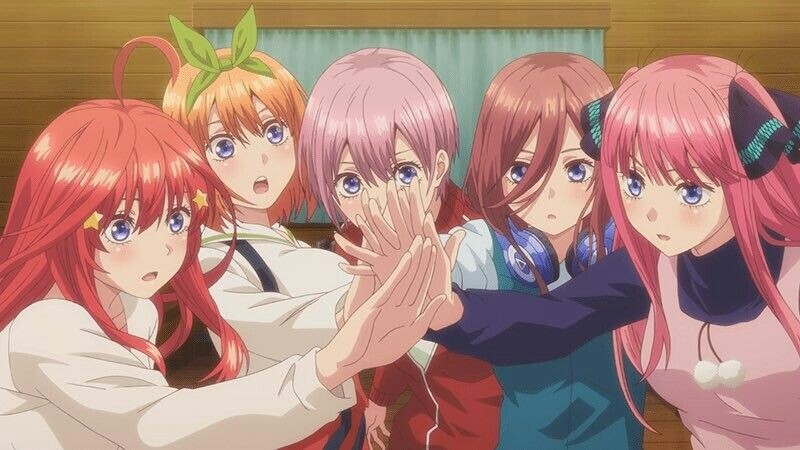
Kyoudai and shimai — other ways to talk about siblings
If we want to talk about siblings in the plural, we can glue the kanji together. Siblings in Japanese is written kyoudai [兄弟]; sisters is written shimai [姉妹].
Kyoudai can cover the whole set, including girls. In writing you may also see 兄妹 or 姉弟 when the pair is mixed — still read kyoudai in ordinary speech, even if a dictionary offers keimai or shitei for those spellings.

Onii-chan, onee-chan, onii-san and onee-san are only the start of the ladder. Once ani, ane, imouto, otouto, aniki, kyoudai and shimai are on the table, the rest of the household words sit next door in the family-members guide.







Community
Comments
0 comments
There are no published comments in this language yet.
Send comment